 Depression is rampant in our culture. Growing up, all I knew about depression was the unemployment and soup lines. It was something my teachers and older people talked about. Now it seems everyone is depressed. If you aren’t downing Prozac, Lexapro, or Zoloft by the fistful, you aren’t trending.
Depression is real. I don’t want to diminish that fact. It’s a serious medical condition that can be fatal. Medication is often a valuable tool to combat its ravages. That being said, I’m of the opinion that there are non-pharmaceutical approaches that could either lessen its effects or – who knows? – relieve it completely for some milder cases. The prescription I’m suggesting here is – excuse the esoteric medical jargon: avoiding depressing stuff. (Note: I’m not saying this as a cure, but why feed the flame?)
This weekend I watched an incredibly depressing movie. Worse, it was a depressing mini-series. Four hours of non-stop misery. Eventually I had to minimize the pain by fast-forwarding through some of it. If I’d watched it to the end (at normal speed) I couldn’t be held responsible for my actions. And if I were already depressed? I just thank God I wasn’t.
 Why are so many movies depressing? Look at the Oscar nominees: Birdman, Whiplash, American Sniper, and Boyhood are a sad group. Don’t subject yourself to any of them if you’re trying to keep your mood upbeat. The others are either less so or I just don’t know enough about them to judge. They could be wallowing in the slough of despond with Foxcatcher, Still Alice, Gone Girl, and the rest of that lot for all I know.
Not a “Sound of Music” in the bunch.
I’m not saying we should have a non-stop parade of “happy, happy, joy, joy” fluff, but couldn’t we at least have one every now and then? Is life so joyful that we are well-advised to dampen everyone’s moods lest they overdose on excess happiness and levity?
Let me suggest that it’s the other way around. Life is so depressing for so many that, instead of feeding that, we should consider ways to counteract it. Making more positive movies is one possibility. I’m no lone curmudgeon in this opinion. A couple of years ago I heard a talk by film producer Lindsay Doran (Sense and Sensibility, Stranger than Fiction) in which she mentioned this issue. This NY Times article gives an overview of her talk. (It’s worth a read for this and her other fascinating insights.)
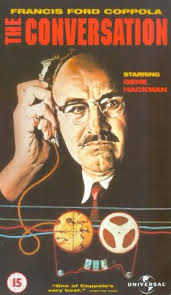 I’m not talking about “happy endings” in the classic fairy tale sense. Just lighten up a bit now and then, please. There’s a place for dark films. One of my favorite films of all time is also one of the darkest: “The Conversation” is a brilliant piece of paranoid pleasure. On the opposite end of the bleakness spectrum is another of my favorites: “The Princess Bride”. It actually has a fairy tale ending. You won’t find many movies as different as those two, connected only by their genius.
It’s not just about the number of dark, hopeless, depressing movies there are. With so many Oscar nominees falling into that category it gives the impression that a positive movie can’t be good. Joy can’t be taken seriously. When is the last time a performer in a comedy won an acting prize? Is comic acting really so effortless that it can be dismissed? The award mavens would have you think so. (Personal note: It ain’t.)
This, of course, reinforces the problem. People want to make movies that others take seriously, which means they must make serious and, if possible, morbid movies.
Look at the top grossing movies for 2014 and you’ll see a different picture. For the most part, people are paying to see more positive movies. If dollars drive the movie industry, how to explain this gap?
Saint Paul once said:
…whatever is true, whatever is noble, whatever is right, whatever is pure, whatever is lovely, whatever is admirable–if anything is excellent or praiseworthy–think about such things.
Just don’t expect to get them too often at the movies.

 Scribbling in the Sand